
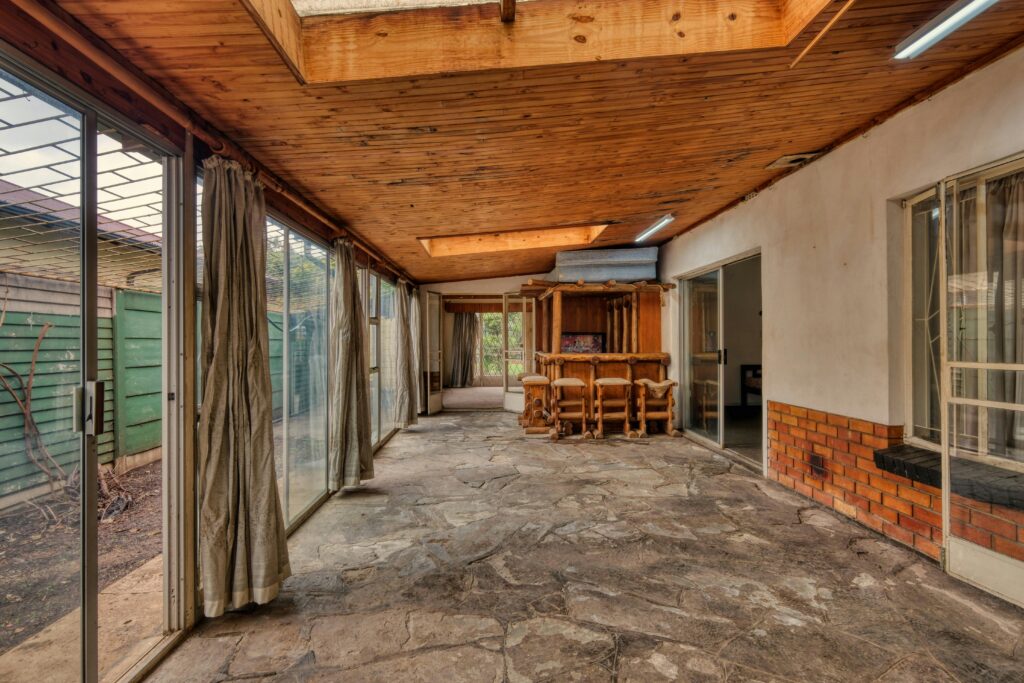
Thinking about extending your home in Hove Park? You’re not alone. As one of the most sought-after residential areas in Brighton & Hove, Hove Park offers spacious plots, stunning architecture, and strong property value — making it a prime location for well-designed house extensions.
Why Extend in Hove Park?
Hove Park is known for its approved scheme :
Tree-lined avenues and large detached homes
A peaceful, upscale neighbourhood feel
Excellent transport links and schools
High property values and strong ROI potential
Extending in this area not only enhances your lifestyle but can also significantly increase the value of your home — if done correctly.
Introduction to House Extensions
A house extension can significantly enhance the living space and value of a detached property located in Hove Park.
Planning permission is often required for rear extensions, especially those that substantially remodel the original property.
A well-designed extension can create a modern open plan layout, improving the natural flow and usability of the space.
Extensions can be a cost-effective way to increase the size of your home, rather than moving to a new property.
It’s essential to consider the style and design of the extension to ensure it complements the existing living room and outdoor space.
Understanding Hove Park
Hove Park is a popular area for home extensions, with many detached properties suitable for rear extensions or loft conversions.
The local authority, Brighton and Hove City Council, has specific planning policies and guidelines for extensions and building work.
It’s crucial to research and understand these guidelines to ensure a smooth planning application process.
Hove Park is also home to several conservation areas, which may have restrictions on extensions and building work.
Property owners should consult with Hove City Council to determine the best approach for their extension project.
Designing Your House Extension
A successful house extension design should balance the need for additional space with the existing character of the property.
Consider the natural light and how it can be maximised through the use of full-width sliding doors and expansive rooflights.
A corner rear extension can be an effective way to unify fragmented living spaces and create a modern open plan layout.
The design should also take into account the rear garden and how it can be integrated with the new extension.
Architectural images and 3D models can help visualize the proposed design and identify potential issues.
Rear Extension Design Tips
A single storey rear extension can be a cost-effective way to add space to your home, while a two-storey side extension can provide even more room.
Consider the orientation of your property, especially if it’s a northwest-facing property, to maximise natural light.
A reconfigured living area can create a sense of openness and flow, making the most of the available space.
The exterior design should be in keeping with the original property and the surrounding area, especially in conservation areas.
Stepped access to the rear garden can help to create a seamless transition between the indoor and outdoor spaces.
Working with Hove City Council
Hove City Council has a range of resources and guidance available for homeowners planning an extension.
Pre-application advice can be invaluable in determining the likelihood of planning permission being granted.
The council’s website provides information on planning policies, conservation areas, and the planning application process.
It’s essential to establish a good working relationship with the council to ensure a smooth and successful planning process.
Homeowners should also be aware of the fees associated with planning applications and the required documentation.
Planning Applications
A well-prepared planning application is essential for a successful extension project.
The application should include detailed designs, architectural images, and supporting documentation.
Homeowners should be aware of the planning application process and the potential for delays or appeals.
The local authority will assess the application against local and national planning policies.
It’s crucial to respond promptly to any requests for additional information or clarification.
Budgeting and Cost Control
Establishing a realistic budget is critical for a successful extension project.
Homeowners should consider the cost of materials, labour, and services, as well as any potential unforeseen expenses.
A detailed breakdown of the costs and a contingency plan can help to ensure the project stays on track.
Regular monitoring of the budget and progress can help to identify potential issues before they become major problems.
It’s essential to prioritize the essential elements of the project and make adjustments as needed.
Scheduling and Project Management
A well-planned project schedule is essential for a successful extension project.
Homeowners should consider the timing of the project, including the planning application process and the construction phase.
A project manager or architect can help to oversee the project and ensure it stays on track.
Regular communication with the project team and stakeholders is critical to ensuring a smooth and successful project.
A detailed project plan can help to identify potential issues and opportunities for improvement.
Building Regulations and Compliance
Compliance with building regulations is essential for a safe and successful extension project.
Homeowners should be aware of the relevant regulations and standards, including those related to energy efficiency and accessibility.
The local authority will inspect the work to ensure compliance with building regulations.
A building control certificate will be issued upon completion of the project, confirming compliance with the relevant regulations.
Homeowners should ensure that all necessary certifications and approvals are obtained before occupying the new extension.
Sustainable and Energy-Efficient Design
A well-designed extension can be both sustainable and energy-efficient.
Consider the use of natural materials, insulation, and renewable energy sources.
The design should aim to maximise natural light and reduce the need for artificial lighting.
A sustainable and energy-efficient design can help to reduce the environmental impact of the project and lower energy bills.
Homeowners should consider the long-term benefits of a sustainable and energy-efficient design.
Choosing Materials and Finishes
The choice of materials and finishes can significantly impact the overall look and feel of the extension.
Consider the durability, sustainability, and maintenance requirements of the materials.
The finishes should be in keeping with the original property and the surrounding area.
Homeowners should also consider the cost and availability of the materials and finishes.
A detailed specification can help to ensure that the materials and finishes meet the required standards.
Outdoor Space and Landscaping

The outdoor space and landscaping should be integrated with the new extension.
Consider the creation of a seamless transition between the indoor and outdoor spaces.
The design should take into account the existing rear garden and how it can be enhanced.
Outdoor spaces can be used to create additional living areas, such as patios or decking.
Landscaping can help to create a sense of privacy and separation from neighbouring properties.
Case Studies and Examples
Case studies and examples can provide valuable inspiration and guidance for homeowners planning an extension.
Consider the experiences of others who have undertaken similar projects.
Case studies can help to illustrate the benefits and challenges of different design approaches and materials.
Homeowners should research and gather information from a range of sources, including online resources and professional advice.
A detailed analysis of case studies can help to identify best practices and potential pitfalls.
Common Mistakes to Avoid
Homeowners should be aware of the common mistakes to avoid when planning an extension.
Consider the potential pitfalls, such as inadequate planning, poor design, and insufficient budgeting.
A well-planned project can help to avoid delays, cost overruns, and other issues.
Homeowners should prioritize the essential elements of the project and be prepared to make adjustments as needed.
A detailed understanding of the planning application process and building regulations can help to avoid common mistakes.
Permitted Development Rights
Permitted Development rights can provide a straightforward route for homeowners to extend their property.
Consider the restrictions and limitations of Permitted Development rights, especially in conservation areas.
Homeowners should be aware of the requirements and guidelines for Permitted Development rights.
A detailed understanding of the Planning Portal and the local authority’s website can help to determine the best approach.
Homeowners should be prepared to provide additional information and supporting documentation to support the application.
Project Completion and Handover
The completion and handover of the project is a critical phase.
Homeowners should ensure that all necessary certifications and approvals are obtained before occupying the new extension.
A detailed snagging list can help to identify any defects or issues with the work.
The project manager or architect can help to oversee the completion and handover process.
Homeowners should be aware of their responsibilities and obligations during this phase.
Maintenance and Upkeep
Regular maintenance and upkeep are essential for ensuring the longevity and quality of the extension.
Homeowners should consider the ongoing costs and responsibilities associated with the extension.
A detailed maintenance schedule can help to identify potential issues before they become major problems.
Regular inspections and repairs can help to prevent costly issues and ensure the extension remains safe and functional.
Homeowners should prioritize the essential elements of maintenance and upkeep to ensure the extension continues to meet their needs.
Tips for Extending in Hove Park
Check if your property is listed or in a conservation area
Get multiple quotes, especially in a high-value location like Hove Park
Work with local experts who understand the area’s architectural expectations
Notify neighbours early to avoid disputes (and because of the Party Wall Act)
Plan for future-proofing: think about energy efficiency, smart tech, and flexible spaces
About Brighton & Hove
Brighton & Hove is a vibrant, diverse, and architecturally rich coastal city in East Sussex. Known for its unique blend of Regency-era homes, Victorian terraces, modern developments, and green suburban areas like Hove Park, it offers a high quality of life just an hour from London.
Why Build or Extend in Brighton & Hove?
Strong local property market with consistent demand
Excellent schools, parks, and transport links
Mix of seaside living and urban culture
Desirable neighbourhoods like Hove Park, Seven Dials, Preston Park, and Brunswick
Progressive planning attitudes (with some local sensitivities)
Whether you’re a homeowner looking to extend or a developer investing in premium areas like Hove Park, Brighton & Hove offers a dynamic setting with long-term property value and lifestyle benefits.
General Guidance for House Extensions in Brighton & Hove
Planning a house extension — especially in premium neighbourhoods like Hove Park — involves more than just design ideas and a contemporary vision . Here’s some general guidance to help you move forward confidently and avoid common pitfalls:
1. Start with a Clear Goal
Before calling a builder, know what you want to achieve:
More space? (e.g., kitchen-diner, home office, extra bedroom)
Better flow or functionality?
A future sale and higher property value?
Clarity helps shape everything — from budget to design to planning permission.
2. Check Your Property’s Planning Status
Research whether your home is:
Listed
In a Conservation Area
Has previous extensions or modifications
Brighton & Hove has areas with tight planning controls, so it’s essential to know what’s allowed on your street.
3. Understand Planning Permission & Building Regulations
Not all extensions need full planning permission (thanks to Permitted Development Rights), but:
Larger or more visible projects will require permission
All projects must meet UK Building Regulations for safety, energy, and structure
It’s smart to speak with a local architect or planning consultant early.
4. Work with Local Professionals
Choose architects, builders, and surveyors who:
Understand Brighton & Hove City Council policies
Have experience with high-value properties
Can help navigate design, regulations, and construction with local expertise
5. Budget Realistically
In Brighton & Hove, expect to spend:
£2,000–£3,200 per square metre depending on spec
More if you’re using high-end materials or features
Always include a 10–15% contingency for unexpected costs.
6. Talk to Your Neighbours
Extensions often trigger the Party Wall Act, especially in terraced or semi-detached homes. Notifying neighbours early can prevent disputes and smooth the planning process.
7. Think Long-Term
Design with the future in mind:
Will the space still suit your needs in 5–10 years?
Is it adaptable?
Could it help future-proof your home for resale, aging, or lifestyle changes?
8. Add Value Without Overcapitalising
While extensions can add significant value, don’t spend more than your home or the street can support. A local estate agent or architect can advise what’s realistic for your road and property type.
What Is a Conservation Area?
A Conservation Area is a designated zone where the local council aims to protect the special architectural or historic interest of a place. These protections extend not just to buildings but to street layout, trees, materials, and even boundary walls.
Commonly Restricted Changes in Conservation Areas:
Roof extensions or dormers facing the street
Removing traditional windows or doors
Using inappropriate modern materials
Demolishing chimneys, walls, or period features
Widening driveways or paving over front gardens
Final Thoughts: House Extensions in Hove Park
Extending your home in Hove Park isn’t just a renovation — it’s an investment in lifestyle, property value, and future flexibility. Whether you’re creating space for a growing family, designing your dream kitchen, or adding luxury features to match the prestige of the neighbourhood, a well-executed extension can transform how you live and how your property performs on the market.
But success in a high-value area like Hove Park requires more than just ambition. It takes:
Smart planning
Understanding local regulations
Respect for the area’s architectural character
And most importantly, the right team of professionals
Take your time, do your research, and work with experts who understand the unique planning sensitivities and design standards of Brighton & Hove’s most desirable residential district.
Done right, your extension won’t just add square footage — it will add lasting quality, comfort, and value to your home.
FAQs
1. Do I need planning permission for a house extension in Hove Park?
Answer:
In many cases, yes — especially for double-storey extensions, loft conversions with dormers, or projects that alter the front façade. Some smaller extensions may fall under Permitted Development (PD) rights, but due to the area’s prestige and planning sensitivity, it’s best to check with Brighton & Hove City Council or consult a planning professional.
2. How much does a typical extension cost in Hove Park?
Answer:
Costs vary depending on size, scope, and finish. As a rough guide:
Single-storey extension: £2,000–£2,800 per m²
Double-storey extension: £2,500–£3,200 per m²
Loft conversion: £35,000–£70,000+
Expect higher-end finishes and build quality in Hove Park, which can increase the budget — but also your property’s value.
3. How long does it take to build a house extension?
Answer:
A standard extension project can take 3 to 6 months from breaking ground to completion, not including the design and planning stages, which may add another 2–3 months. Complex or double-storey builds may take longer, especially if weather or planning delays occur.
4. Can I live in my house during the extension?
Answer:
Yes, in most cases — especially for single-storey or rear extensions. However, it depends on the project’s size and your tolerance for noise and disruption. For larger builds, you may want to move out temporarily during the most disruptive phases (e.g. structural work, roof removal).
5. Will an extension add value to my Hove Park property?
Answer:
Absolutely — if well-designed and in keeping with the style of the home and area. Hove Park homes have high resale value, and extensions that add bedrooms, open-plan living areas, or quality garden access are particularly appealing to buyers. In many cases, you could see a return on investment of 10–25% or more, depending on the market and finish.
You can find more information on our website, Create